
Orthodontic treatment is about much more than a beautiful smile. While an attractive smile is a nice result, the true benefits of orthodontic treatment go much deeper. An orthodontist recognizes that good oral health is closely connected to overall health, and achieving good oral health is much easier with straight teeth and proper jaw placement. Straight teeth and good bites provide fewer places for bacteria to hide, making brushing and flossing easier and more effective, while also reducing the chances of gum disease.
A Dentist Is NOT Enough
A dentist’s goal is to help maintain your dental health. Regular dental checkups and cleanings help keep oral bacteria at bay and identify dental or hygienic issues. Some dentists will attend seminars to be certified to offer limited orthodontic services in their general practices. However, these seminars do not compare to an orthodontist’s years of extra training. Just as your primary care physician will refer you to a specialist when a more complex health issue is detected, most dentists will also refer their patients to orthodontists when a patient has crooked teeth, a misaligned bite or issues with jaw growth and dental development.
An Orthodontist Is Specialized
Orthodontics is a highly specialized area of dentistry. Orthodontists have a more advanced education that focuses on the anatomy of the mouth and on how to shift teeth into the correct alignment. Orthodontists look at bite problems, issues with spacing in teeth, and concerns with the formation of the mouth. With a deep understanding of how each issue in the mouth can impact all of the others, orthodontists can explain which potential concerns may require treatment to prevent future health problems and which issues may be primarily cosmetic.
An Orthodontist Has Extended Training
To become a dentist, an individual must complete four years of dental school to earn a DDS (doctor of dental surgery) or DMD (doctor of dental medicine) and must be licensed in the state where they practice.
An orthodontist completes the same dental training and then continues their training for a minimum of two years of specialized study in orthodontics. The extra training enables an orthodontist to extend their abilities beyond general dentistry. They become highly specialized in jaw and teeth alignment and the prevention, diagnosis and treatment of facial and dental irregularities. An orthodontist can recognize and prescribe the best course of treatment for issues like overcrowding, gaps, overbites, underbites, crossbites and more.
An Orthodontist Provides More Treatment Options
Most people are familiar with the traditional metal braces, but the use of clear removable aligners has expanded the options available for patients. There are many types of orthodontic appliances, including metal braces, ceramic braces and clear aligners. Some dentists provide treatment with clear aligners, but very few offer braces and the efficient movement they provide.
When Should A Child See An Orthodontist?
The American Association of Orthodontists recommends that all children have an orthodontic evaluation by age 7. Orthodontic care early in life can affect jaw growth and bone structure, leading to more space for permanent teeth and a better smile down the road. However, it is never too late to seek orthodontic treatment. With more comfortable and esthetic options available, more and more adults are seeking orthodontic treatment.
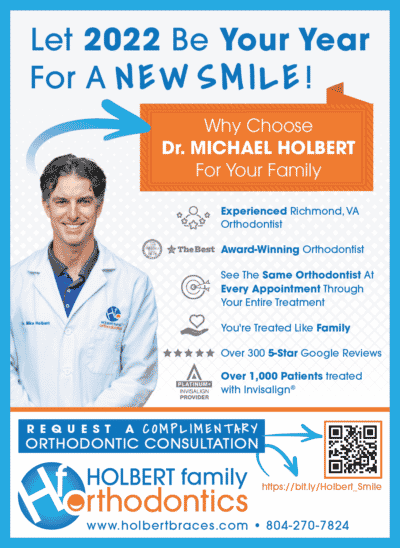
Dr. Michael Holbert of Holbert Family Orthodontics has one goal, your best smile! We straighten your teeth to position them ideally, improve aesthetics, promote proper alignment and function and ensure a lifetime of enhanced oral health. We are excited to meet you and start you on your journey toward a beautiful, healthy smile to last a lifetime. Contact Holbert Family Orthodontics today!